
Choosing the right words to describe someone can significantly impact how they are perceived and understood. The English language offers a rich vocabulary, and words starting with the letter “P” are no exception.
From positive attributes like “passionate” and “perceptive” to more neutral or even negative qualities, understanding these words and their nuances is crucial for effective communication. This article provides a comprehensive guide to “P” words used to describe people, helping you expand your vocabulary and use these words with precision and confidence.
This guide is perfect for English language learners, writers looking to enhance their descriptive abilities, and anyone who wants to communicate more effectively.
This guide will help you understand the definitions, usage, and connotations of various “P” words, ensuring you can accurately and appropriately portray individuals in your writing and conversations. Whether you’re crafting a character in a novel, writing a performance review, or simply describing a friend, this resource will equip you with the tools to express yourself with clarity and impact.
Table of Contents
- Introduction
- Definition of “P” Words to Describe Someone
- Structural Breakdown of “P” Adjectives
- Types and Categories of “P” Words
- Examples of “P” Words in Sentences
- Usage Rules for “P” Words
- Common Mistakes When Using “P” Words
- Practice Exercises
- Advanced Topics: Nuances and Connotations
- Frequently Asked Questions
- Conclusion
Definition of “P” Words to Describe Someone
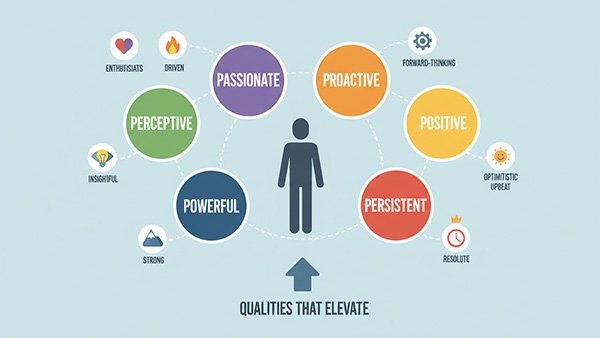
When we talk about using “P” words to describe someone, we are generally referring to adjectives that start with the letter “P” and are used to characterize a person’s qualities, behaviors, or attributes. These words can be used to paint a picture of someone’s personality, their skills, or their general demeanor.
The function of these adjectives is to provide more specific and detailed information about the person being described, enriching the overall understanding of who they are.
These adjectives can be classified based on their connotation – whether they carry a positive, negative, or neutral meaning. When looking to describe someone starting with P, it can be helpful to consider a variety of adjectives with P to describe a person. Whether you want to highlight strengths, personality traits, or particular behaviors, choosing the right P word that can describe you or someone else ensures that your description is precise and meaningful. Positive P words to describe someone, such as passionate, perceptive, and polite, can convey admiration and respect, making your communication more effective and engaging.
For example, “patient” is a positive descriptor, while “pessimistic” carries a negative connotation.
“Practical” is often seen as a neutral descriptor, depending on the context. The context in which these words are used is crucial, as it can significantly impact the overall message being conveyed.
Understanding the nuances of these words is essential for effective communication.
The use of “P” words, like any descriptive language, is important in various contexts. In literature, they help create vivid and believable characters.
In professional settings, they are used in performance reviews and recommendation letters. In everyday conversation, they allow us to share detailed and insightful observations about the people around us.
Therefore, mastering the use of these words can enhance both written and spoken communication.
Structural Breakdown of “P” Adjectives
Most adjectives, including those starting with “P,” modify nouns or pronouns. Structurally, they usually appear before the noun they modify (e.g., “a polite person”) or after a linking verb such as “is,” “are,” “was,” or “were” (e.g., “He is passionate“). Understanding this basic structure is crucial for using these words correctly in sentences.
Many “P” adjectives are formed from nouns or verbs by adding suffixes such as -al, -able, -ous, -ive, or -ed. For example:
- Power (noun) + -ful → Powerful (adjective)
- Please (verb) + -ant → Pleasant (adjective)
- Passion (noun) + -ate → Passionate (adjective)
Understanding how these adjectives are formed can help you recognize and use them correctly. Additionally, it can aid in expanding your vocabulary by understanding the relationships between different parts of speech.
Here’s a breakdown of common suffixes used to form “P” adjectives:
- -al: Pertaining to or characterized by (e.g., Personal, Practical)
- -able: Capable of being (e.g., Palatable, Portable) – though less common in personality descriptions
- -ous: Full of or possessing (e.g., Perilous, but can be adapted: Pompous)
- -ive: Tending to or performing (e.g., Positive, Protective)
- -ed: Having the quality of (e.g., Prepared, Privileged)
- -ing: Describing an action or quality that is currently happening (e.g., Pleasing, Persuading)
Types and Categories of “P” Words
“P” words used to describe someone can be broadly categorized into positive, negative, and neutral traits. Understanding these categories helps in choosing the right word to convey the intended meaning without causing misunderstandings or unintended offense.
Positive Traits
These are adjectives that describe admirable or desirable qualities. They often highlight a person’s strengths, virtues, or talents.
Using positive “P” words can create a favorable impression and emphasize someone’s good characteristics.
Examples of positive “P” words include: patient, passionate, perceptive, persistent, pleasant, polite, positive, powerful, practical, precise, prepared, proactive, proficient, promising, prompt, prudent, pure, and peaceful.
Focusing specifically on positive P words to describe someone can enhance the tone of your writing or speech. Words like proactive, promising, principled, and philanthropic not only highlight admirable traits but also encourage positive associations with the person being described.
Negative Traits
These adjectives describe undesirable or unfavorable qualities. They often highlight weaknesses, flaws, or negative behaviors.
Using negative “P” words requires caution, as they can be hurtful or offensive. It’s important to use them judiciously and with sensitivity.
Examples of negative “P” words include: passive, pessimistic, petty, pompous, possessive, presumptuous, pretentious, prickly, proud, paranoid, painful, pathetic, peculiar, perverse, pigheaded, plodding, pessimistic, and punitive.
Neutral Traits
These adjectives describe qualities that are neither inherently positive nor negative. Their meaning depends heavily on the context and the specific situation.
They provide descriptive information without necessarily implying a judgment or evaluation.
Examples of neutral “P” words include: particular, private, professional, provisional, plain, probable, public, physical, philosophical, pedestrian, periodical, peripheral, permanent, popular, preparatory, principal, procedural, and productive.
Examples of “P” Words in Sentences
This section provides examples of how “P” words can be used in sentences to describe people. The examples are organized by category (positive, negative, and neutral) to illustrate the different ways these words can be used and the impact they can have.
Positive Trait Examples
The following table provides examples of sentences using positive “P” words to describe someone. Each example illustrates how the word can be used to highlight a person’s strengths or admirable qualities.
| “P” Word | Example Sentence |
|---|---|
| Patient | She is incredibly patient with her students, always willing to explain things multiple times. |
| Passionate | He is a passionate advocate for environmental conservation. |
| Perceptive | Her perceptive insights into human behavior made her an excellent therapist. |
| Persistent | Despite facing numerous setbacks, she remained persistent in her pursuit of her dreams. |
| Pleasant | He has a pleasant personality that makes him easy to get along with. |
| Polite | The staff was polite and helpful, making our visit enjoyable. |
| Positive | She always maintains a positive attitude, even in challenging situations. |
| Powerful | He is a powerful leader who inspires his team to achieve great things. |
| Practical | Her practical approach to problem-solving made her an invaluable asset. |
| Precise | His precise attention to detail ensured the project was completed flawlessly. |
| Prepared | She is always prepared for any eventuality, which makes her a reliable team member. |
| Proactive | He is a proactive employee who consistently seeks out opportunities for improvement. |
| Proficient | She is proficient in multiple languages, making her an excellent translator. |
| Promising | He is a promising young athlete with the potential to achieve great things. |
| Prompt | She is always prompt in responding to emails and meeting deadlines. |
| Prudent | His prudent financial decisions ensured the company’s long-term stability. |
| Pure | Her intentions were pure, driven only by a desire to help others. |
| Peaceful | He had a peaceful demeanor that calmed everyone around him. |
| Principled | She is a principled woman who always stands up for what is right. |
| Philanthropic | He is a philanthropic individual, donating generously to various charities. |
| Popular | She is a popular student, liked by both her peers and teachers. |
| Praiseworthy | His efforts were praiseworthy, deserving of recognition and commendation. |
| Privileged | He felt privileged to have had the opportunity to work with such talented individuals. |
| Productive | She is a highly productive member of the team, consistently delivering excellent results. |
Negative Trait Examples
The following table provides examples of sentences using negative “P” words to describe someone. These examples illustrate how these words can be used to highlight a person’s weaknesses or undesirable qualities.
Remember to use these words with caution and sensitivity.
| “P” Word | Example Sentence |
|---|---|
| Passive | He tends to be passive in group discussions, rarely voicing his opinion. |
| Pessimistic | She has a pessimistic outlook on life, always expecting the worst. |
| Petty | He is often petty and concerned with minor details that don’t really matter. |
| Pompous | His pompous attitude made it difficult for others to work with him. |
| Possessive | She is very possessive of her belongings and doesn’t like to share. |
| Presumptuous | It was presumptuous of him to assume he would get the promotion. |
| Pretentious | His pretentious behavior made him seem insincere and artificial. |
| Prickly | She has a prickly personality and is easily offended. |
| Proud | He is too proud to admit when he is wrong. |
| Paranoid | He became increasingly paranoid, suspecting everyone of plotting against him. |
| Painful | His words were painful, causing deep emotional hurt. |
| Pathetic | He cut a pathetic figure, begging for forgiveness. |
| Peculiar | She has a peculiar habit of talking to herself. |
| Perverse | He seemed to take a perverse pleasure in causing trouble. |
| Pigheaded | His pigheaded refusal to listen to advice led to his downfall. |
| Plodding | He is a plodding worker, slow but steady. |
| Pessimistic | She had a pessimistic view of the future, always focusing on potential problems. |
| Pushy | He is a pushy salesman who doesn’t take no for an answer. |
| Puerile | His puerile behavior was inappropriate for someone his age. |
| Peevish | She was in a peevish mood all day, complaining about everything. |
| Picky | He is a very picky eater, refusing to try new foods. |
| Pained | He looked pained when he heard the news, his face etched with sorrow. |
| Perfidious | His perfidious actions betrayed the trust of his colleagues. |
| Provocative | Her provocative remarks stirred up controversy at the meeting. |
Neutral Trait Examples
The following table provides examples of sentences using neutral “P” words to describe someone. These examples illustrate how these words can be used to provide descriptive information without necessarily implying a judgment or evaluation.
| “P” Word | Example Sentence |
|---|---|
| Particular | She is very particular about the way things are organized. |
| Private | He is a very private person and doesn’t share much about his personal life. |
| Professional | She maintains a professional demeanor at all times in the workplace. |
| Provisional | He was appointed as a provisional manager until a permanent replacement could be found. |
| Plain | She is a plain woman, preferring simple clothes and minimal makeup. |
| Probable | It is probable that he will be selected for the team, given his skills. |
| Public | He is a public figure and is often in the news. |
| Physical | His physical strength is impressive. |
| Philosophical | He has a philosophical approach to life, always pondering the deeper questions. |
| Pedestrian | His style of writing is rather pedestrian, lacking originality. |
| Periodical | She makes periodical visits to the doctor for check-ups. |
| Peripheral | He played a peripheral role in the project, providing support but not leading. |
| Permanent | She has a permanent scar on her arm from the accident. |
| Popular | He is a popular student, liked by many of his classmates. |
| Preparatory | She attended a preparatory course before starting university. |
| Principal | He is the principal investigator on the research project. |
| Procedural | She is meticulous about following procedural guidelines. |
| Productive | He is a productive worker, consistently meeting his targets. |
| Practical | She is a practical person who prefers sensible solutions. |
| Potential | He is a potential candidate for the job, possessing the necessary qualifications. |
| Previous | His previous experience made him well-suited for the role. |
| Professional | She always maintains a professional demeanor in her interactions with clients. |
| Professed | He is a professed expert in the field, with numerous publications to his name. |
| Putative | He is the putative leader of the organization, though his authority is questioned by some. |
Usage Rules for “P” Words
When using “P” words to describe someone, it’s essential to follow certain rules to ensure clarity, accuracy, and appropriateness. These rules include considering the context, connotation, and grammatical correctness.
- Context: Always consider the context in which you are using the word. The same word can have different meanings or implications depending on the situation.
- Connotation: Be aware of the connotation of the word. Some words have positive connotations, while others have negative or neutral connotations. Choose words that accurately reflect the intended meaning.
- Grammatical Correctness: Ensure that the word is used correctly in the sentence. Adjectives should agree in number and gender with the noun they modify.
- Specificity: Use specific and descriptive words to create a vivid and accurate picture of the person being described. Avoid vague or generic words that don’t provide much information.
- Objectivity: Strive for objectivity when describing someone, especially in professional or formal settings. Avoid using subjective or biased language that could be unfair or misleading.
- Sensitivity: Be sensitive to the feelings of the person being described. Avoid using words that could be hurtful, offensive, or discriminatory.
Exceptions and Special Cases:
- Some “P” words can have both positive and negative connotations depending on the context. For example, “proud” can be positive when it means having a sense of accomplishment, but negative when it means being arrogant or conceited.
- Some “P” words are more formal or technical than others and may not be appropriate for everyday conversation. Consider your audience and the purpose of your communication when choosing words.
Common Mistakes When Using “P” Words
Even experienced English speakers sometimes make mistakes when using “P” words to describe someone. Being aware of these common mistakes can help you avoid them and improve your communication skills.
Here are some common mistakes and how to correct them:
| Mistake | Correct Usage | Explanation |
|---|---|---|
| Using “pathetic” to mean “sympathetic.” | Incorrect: “I felt pathetic towards her situation.” Correct: “I felt sympathetic towards her situation.” |
“Pathetic” means causing feelings of pity or contempt, while “sympathetic” means feeling or expressing sympathy. |
| Confusing “practical” with “practicable.” | Incorrect: “He is a very practicable person.” Correct: “He is a very practical person.” |
“Practical” means good at doing things or dealing with situations, while “practicable” means capable of being done or put into practice. |
| Misusing “presumptuous” to mean “assuming.” | Incorrect: “It was presumptuous of him to ask.” Correct: “It was assuming of him to ask.” OR “It was presumptuous of him to assume he would get the job.” |
“Presumptuous” means being overly bold or confident, while “assuming” simply means taking something for granted. However, it is better to clarify what the person is assuming. |
| Using “pompous” to describe someone who is simply confident. | Incorrect: “He is a pompous speaker.” Correct: “He is a confident speaker.” OR “He is a pompous and arrogant speaker.” |
“Pompous” implies an excessive display of self-importance, not just confidence. |
| Overusing positive “P” words to the point of sounding insincere. | Incorrect: “He is a passionate, positive, and pleasant person.” Correct: “He is a passionate and positive person.” OR “He is a pleasant and dedicated individual.” |
Too many positive adjectives can sound exaggerated and insincere. Choose the most relevant and impactful words. |
| Using “private” when you mean “personal”. | Incorrect: “He shared a lot of private information.” Correct: “He shared a lot of personal information.” |
“Private” means not intended for public knowledge, while “personal” relates to one’s individual life and experiences. While there is overlap, “personal” is the better choice when referring to details about someone’s life. |
Practice Exercises
These practice exercises will help you reinforce your understanding of “P” words and their usage. Each exercise focuses on different aspects of using these words to describe people effectively.
Exercise 1: Identifying Positive and Negative Traits
Identify whether the following “P” words have a positive (P), negative (N), or neutral (Neu) connotation.
| Word | Connotation (P/N/Neu) |
|---|---|
| Patient | |
| Pessimistic | |
| Practical | |
| Polite | |
| Pompous | |
| Private | |
| Passionate | |
| Peculiar | |
| Positive | |
| Professional |
Answer Key:
| Word | Connotation (P/N/Neu) |
|---|---|
| Patient | P |
| Pessimistic | N |
| Practical | Neu |
| Polite | P |
| Pompous | N |
| Private | Neu |
| Passionate | P |
| Peculiar | N |
| Positive | P |
| Professional | Neu |
Exercise 2: Fill in the Blanks
Choose the most appropriate “P” word from the list below to complete each sentence.
Words: patient, pessimistic, practical, polite, pompous, passionate, perceptive, peculiar, positive, professional
- She is very __________ and always knows how to handle difficult situations.
- He is a __________ advocate for animal rights.
- Despite the challenges, she remained __________ and never gave up hope.
- The customer service representative was very __________ and helpful.
- His __________ attitude made it difficult for others to work with him.
- She is very __________ and notices things that others often miss.
- He has a __________ habit of humming to himself.
- The teacher was very __________ with the students, explaining the concepts slowly and clearly.
- She always maintains a __________ demeanor in the workplace.
- He is often __________ about the future, always expecting the worst.
Answer Key:
- practical
- passionate
- positive
- polite
- pompous
- perceptive
- peculiar
- patient
- professional
- pessimistic
Exercise 3: Sentence Completion
Complete each sentence using an appropriate “P” word that describes the person’s trait.
- Despite facing numerous setbacks, her __________ nature helped her achieve her goals.
- His __________ behavior often made him the center of attention, but not always in a good way.
- She is a __________ individual who always considers the consequences of her actions.
- His __________ attitude made him difficult to work with, as he always expected the worst.
- She is known for her __________ approach to problem-solving, always finding efficient solutions.
- Her __________ nature made her a great listener and confidante.
- He is a __________ leader who inspires his team to achieve great things.
- She is always __________ for meetings, showing respect for everyone’s time.
- His __________ remarks often offended people without him realizing it.
- She is a __________ member of the community, always volunteering her time to help others.
Suggested Answers: (Note: Other answers may be valid depending on the context)
- persistent
- pompous
- prudent
- pessimistic
- practical
- patient
- powerful
- prompt
- presumptuous
- positive/philanthropic
Advanced Topics: Nuances and Connotations
The effective use of “P” words, like any descriptive language, goes beyond simply knowing their definitions. Understanding the nuances and connotations associated with each word is crucial for conveying the precise meaning and avoiding unintended implications.
Connotations refer to the emotional or cultural associations connected to a word, which can be positive, negative, or neutral.
For instance, consider the difference between “persistent” and “pigheaded.” Both words describe someone who doesn’t give up easily, but “persistent” carries a positive connotation of determination and resilience, while “pigheaded” implies stubbornness and an unwillingness to listen to others. Choosing the right word depends on the specific context and the intended message.
Furthermore, the intensity of a word can also affect its impact. For example, “pleasant” is a mild descriptor, while “passionate” is a much stronger and more intense word.
Using strong words inappropriately can sound exaggerated or insincere, while using weak words may not convey the full extent of the intended meaning.
Here are some additional considerations for advanced learners:
- Cultural Context: Be aware that the connotations of some words can vary across cultures. What is considered polite in one culture may be perceived as rude or insincere in another.
- Figurative Language: Explore the use of “P” words in figurative language, such as metaphors and similes, to create vivid and memorable descriptions.
- Synonyms and Antonyms: Study the synonyms and antonyms of “P” words to expand your vocabulary and gain a deeper understanding of their meanings.
Frequently Asked Questions
This section addresses some frequently asked questions about using “P” words to describe someone.
What is the difference between “passive” and “patient”?
“Passive” describes someone who tends to accept or allow what happens or what others do, without active response or resistance. It often implies a lack of initiative. “Patient,” on the other hand, describes someone who is able to accept or tolerate delays, problems, or suffering without becoming annoyed or anxious. It is generally considered a positive trait, indicating tolerance and understanding.
When is it appropriate to use negative “P” words to describe someone?
Using negative “P” words should be done with caution and sensitivity. It is generally appropriate in situations where providing honest feedback is necessary, such as in performance reviews or constructive criticism. However, it’s important to be specific, objective, and respectful. Avoid using overly harsh or judgmental language, and always focus on behaviors rather than making personal attacks.
How can I avoid sounding biased when using “P” words?
To avoid sounding biased, focus on describing observable behaviors and qualities rather than making subjective judgments. Use specific examples to support your descriptions, and avoid using stereotypes or generalizations. Be mindful of your own personal biases and strive for objectivity in your language.
Are there any “P” words that should be avoided altogether?
Some “P” words can be considered offensive or discriminatory and should be avoided altogether. These include words that promote harmful stereotypes or perpetuate prejudice. When in doubt, it’s always best to choose more neutral or respectful language.
How can I expand my vocabulary of “P” words?
To expand your vocabulary, read widely and pay attention to how “P” words are used in different contexts. Use a dictionary or thesaurus to look up unfamiliar words and explore their meanings and connotations. Practice using new words in your writing and speaking to reinforce your understanding.
Is it better to use a few strong descriptive ‘P’ words or many less impactful ones?
It’s generally better to use a few strong, descriptive ‘P’ words that accurately capture the person’s essence rather than many less impactful ones. Overloading with adjectives can dilute the impact and make your description sound less sincere. Choose words that are precise and meaningful to create a vivid and memorable portrayal.
How do I choose the right ‘P’ word when several seem appropriate?
When several ‘P’ words seem appropriate, consider the specific context, the nuance you want to convey, and the overall impression you want to create. Think about the subtle differences in meaning and connotation between the words. You can also use a thesaurus to explore synonyms and find the word that best fits your intended message.
Can the same ‘P’ word have different meanings depending on the situation?
Yes, the same ‘P’ word can have different meanings or connotations depending on the situation. For example, “proud” can be positive when it means having a sense of accomplishment, but negative when it means being arrogant or conceited. Pay attention to the context and consider the potential interpretations of your words.
Conclusion
Mastering the use of “P” words to describe someone is a valuable skill that can enhance your communication abilities in various contexts. By understanding the definitions, connotations, and usage rules of these words, you can create more vivid, accurate, and impactful descriptions of people.
Remember to consider the context, connotation, and grammatical correctness when choosing your words. Strive for objectivity, specificity, and sensitivity in your language.
By practicing these principles, you can effectively use “P” words to convey your intended meaning and create a positive impression.
Continue to expand your vocabulary by reading widely, exploring synonyms and antonyms, and practicing using new words in your writing and speaking. With continued effort and attention to detail, you can become a proficient and confident communicator.