
Saying “no” is a crucial skill in both personal and professional contexts. While it might seem simple, expressing refusal effectively requires nuance and an understanding of various linguistic tools.
This article aims to provide a comprehensive guide to mastering the art of saying “no” in English, exploring different strategies, levels of politeness, and contextual considerations.
Whether you’re a student learning English, a professional seeking to improve your communication skills, or simply someone looking to express boundaries more confidently, this guide will equip you with the knowledge and practice needed to say “no” with grace and clarity.
Table of Contents
- Introduction
- Definition: The Nuances of Refusal
- Structural Breakdown of Refusals
- Types of Refusals
- Examples of Saying No
- Usage Rules for Saying No
- Common Mistakes When Saying No
- Practice Exercises
- Advanced Topics in Refusal
- Frequently Asked Questions
- Conclusion
Definition: The Nuances of Refusal
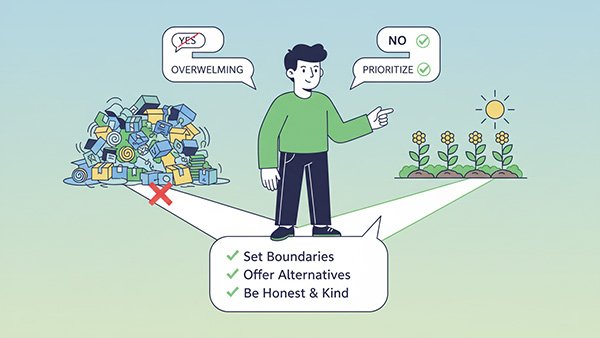
Refusal, in the context of communication, is the act of declining a request, invitation, suggestion, or offer. It’s a speech act that involves expressing unwillingness or inability to comply with what is being proposed.
Refusals can range from direct and blunt rejections to indirect and subtle expressions of disinclination. The effectiveness of a refusal depends heavily on the context, the relationship between the speakers, and the desired outcome of the interaction.
Understanding the nuances of refusal is essential for maintaining positive relationships while asserting personal boundaries.
The function of refusal extends beyond simply saying “no.” It involves managing expectations, preserving rapport, and communicating one’s own needs and limitations. A well-crafted refusal can prevent misunderstandings, avoid future requests, and even strengthen relationships by demonstrating honesty and assertiveness.
Conversely, a poorly handled refusal can damage relationships, create resentment, and lead to further unwanted requests.
Refusals occur in a wide variety of contexts, including personal relationships, professional settings, and social interactions. In each context, the appropriate level of directness and politeness may vary.
For example, a refusal to a close friend might be more direct than a refusal to a superior at work. Similarly, cultural norms can significantly influence how refusals are expressed and interpreted.
What is considered a polite refusal in one culture might be seen as rude or evasive in another.
Structural Breakdown of Refusals
The structure of a refusal typically involves several key components that work together to convey the message effectively. These components can be categorized as follows:
- Acknowledgement: Recognizing the request or invitation. This can be as simple as saying “Thank you for asking” or “I appreciate the offer.”
- Delay: A brief pause or hesitation before delivering the refusal. This gives the speaker time to formulate a polite response and softens the impact of the negative message. Examples include phrases like “Let me see…” or “I’ll have to think about it.”
- Explanation: Providing a reason for the refusal. This helps the other person understand why you are declining and reduces the likelihood of them feeling personally rejected. The explanation can be a genuine reason or a polite excuse.
- Refusal: The actual expression of refusal. This can be direct (“No, I can’t”) or indirect (“I’m not able to”).
- Alternative: Offering an alternative solution or suggestion. This shows that you are willing to help in some way, even if you cannot fulfill the original request.
- Closing: A polite remark to end the conversation on a positive note. This could be a simple “Thank you for understanding” or “Maybe another time.”
The order and emphasis of these components can vary depending on the context and the desired level of politeness. For example, in a formal setting, you might place more emphasis on the explanation and closing, while in an informal setting, you might be more direct with the refusal.
Consider these examples to illustrate the structural components in action:
Example 1: “Thank you for inviting me to the party (acknowledgement), but I’m afraid I won’t be able to make it (refusal) because I have a prior engagement (explanation). I hope you have a great time (closing).”
Example 2: “That’s a very generous offer (acknowledgement). Let me check my schedule (delay). Unfortunately, I’m completely booked next week (refusal/explanation). Perhaps we could reschedule for the following week (alternative)? Thanks for understanding (closing).”
Types of Refusals
Refusals can be categorized into three main types based on their level of directness and the strategies used to convey the message:
Direct Refusals
Direct refusals involve explicitly stating “no” or using similar direct expressions to decline a request or invitation. While direct refusals are clear and unambiguous, they can also be perceived as impolite or confrontational, especially in certain cultural contexts or when dealing with individuals in positions of authority.
Therefore, it’s important to use direct refusals judiciously and to soften their impact with appropriate language and tone.
Examples of direct refusals include:
- “No, I can’t help you with that.”
- “I’m afraid I have to decline your invitation.”
- “I’m not interested.”
- “That’s not something I’m able to do.”
Indirect Refusals
Indirect refusals involve using more subtle and roundabout ways to decline a request or invitation. These strategies often involve providing explanations, expressing regret, or offering alternatives without explicitly saying “no.” Indirect refusals are generally considered more polite and less confrontational than direct refusals, making them suitable for situations where maintaining positive relationships is important.
Examples of indirect refusals include:
- “I wish I could, but I’m already booked.”
- “That sounds great, but I have other commitments.”
- “I’d love to, but it’s just not possible right now.”
- “I appreciate the offer, but I’m not able to accept.”
Conditional Refusals
Conditional refusals involve declining a request or invitation under certain conditions or circumstances. This strategy allows you to express your unwillingness to comply with the request as it currently stands while leaving the door open for future possibilities.
Conditional refusals can be useful when you want to avoid a complete rejection but are not entirely comfortable with the original proposal.
Examples of conditional refusals include:
- “I can’t do it this week, but maybe next week.”
- “I’m not able to commit to that right now, but I’ll let you know if anything changes.”
- “I’d be happy to help if you could provide more information.”
- “I’m not sure I can do that, but I’m willing to consider it if you can adjust the timeline.”
Examples of Saying No
The following tables provide a variety of examples of how to say “no” in different contexts, categorized for clarity and ease of reference. Each table includes a range of direct, indirect, and conditional refusals, along with explanations of the context and the intended level of politeness.
General Refusals
This table provides examples of general refusals that can be used in a variety of situations where you need to decline a request or invitation without being overly specific.
| Situation | Direct Refusal | Indirect Refusal | Conditional Refusal |
|---|---|---|---|
| Declining an invitation to a party | “No, I won’t be able to make it.” | “I appreciate the invitation, but I have other plans.” | “I can’t come this time, but maybe next time.” |
| Refusing a request for a favor | “I’m sorry, but I can’t do that for you.” | “I wish I could help, but I’m swamped right now.” | “I’m not able to do that today, but ask me again next week.” |
| Rejecting a suggestion | “I don’t think that’s a good idea.” | “That’s an interesting suggestion, but I’m not sure it’s the right approach.” | “I’m not convinced that will work, but I’m open to trying it if we can address my concerns.” |
| Turning down a sales offer | “No, thank you. I’m not interested.” | “I appreciate you reaching out, but I’m not currently in the market for that.” | “I’m not interested right now, but perhaps you could contact me again in a few months.” |
| Declining a request for information | “I’m sorry, but I’m not able to share that information.” | “I understand your request, but that information is confidential.” | “I can’t share that information in its entirety, but I can provide some general guidance.” |
| Refusing to participate in an activity | “No, I don’t want to participate.” | “I’m not really comfortable with that activity.” | “I’m not going to participate this time, but I might consider it in the future.” |
| Rejecting a proposal | “I have to reject this proposal.” | “The proposal is interesting, but I don’t think it aligns with our goals.” | “I can’t approve this proposal as it stands, but I’m willing to reconsider it if you make these changes.” |
| Turning down an offer of help | “No, thank you. I can manage.” | “That’s very kind of you, but I’ve got it covered.” | “I appreciate the offer, but I’ll only accept if I really get stuck.” |
| Declining a second helping of food | “No, thank you. I’m full.” | “That was delicious, but I couldn’t eat another bite.” | “I’m full right now, but maybe I’ll have some later.” |
| Refusing a gift | “No, I can’t accept this.” | “That’s very generous of you, but I really can’t accept it.” | “I appreciate the thought, but I can only accept it if you’re sure you don’t need it.” |
| Declining a request to borrow something | “No, I’m not able to lend it out right now.” | “I’m sorry, but I need that item myself at the moment.” | “I can’t lend it to you this week, but I might be able to next week.” |
| Rejecting an idea | “I don’t think that will work.” | “I’m not sure that’s the best approach.” | “I’m skeptical, but I’m willing to test it if we have time.” |
| Turning down a request to speak at an event | “No, I’m not available.” | “I’m honored by the invitation, but I’m already committed at that time.” | “I can’t speak at that event, but I could recommend someone who would be a good fit.” |
| Declining to give advice | “I’m not comfortable giving advice on that topic.” | “I’m not sure I’m the best person to advise you on that.” | “I can offer some general thoughts, but I’m not an expert in that area.” |
| Refusing to make a decision | “I can’t make that decision.” | “I don’t have enough information to make that decision.” | “I can’t decide right now, but I’ll let you know my decision by tomorrow.” |
| Rejecting a compliment | “No, it wasn’t that good.” | “That’s very kind of you to say, but I still have a lot to learn.” | “Thank you, but I only accept it if you also acknowledge the contributions of my team.” |
| Turning down a request for a ride | “No, I’m not going that way.” | “I’m sorry, but I’m not able to give you a ride.” | “I can’t give you a ride all the way, but I can drop you off at the bus stop.” |
| Declining an offer to do something you dislike | “No, I don’t want to do that.” | “I appreciate the thought, but that’s not really my thing.” | “I’m not going to do that myself, but I can help you find someone who will.” |
| Refusing to answer a personal question | “I’m not comfortable answering that question.” | “I’d rather not talk about that.” | “I can’t answer that question directly, but I can offer some general information.” |
Work-Related Refusals
The following table provides examples of refusals specifically tailored for professional settings. These examples demonstrate how to decline requests or invitations from colleagues, superiors, or clients while maintaining a professional and respectful demeanor.
| Situation | Direct Refusal | Indirect Refusal | Conditional Refusal |
|---|---|---|---|
| Declining a new project | “I’m unable to take on any new projects at this time.” | “My current workload is too heavy to accommodate another project.” | “I can’t start a new project this month, but I might be able to take it on next month.” |
| Refusing to work overtime | “I’m not available to work overtime tonight.” | “I have prior commitments this evening and cannot stay late.” | “I can’t work overtime tonight, but I can come in early tomorrow.” |
| Rejecting a proposal from a colleague | “I don’t think that proposal is feasible.” | “I appreciate the effort, but I have concerns about the feasibility of this proposal.” | “I can’t support this proposal as it stands, but I’m willing to discuss modifications.” |
| Turning down a request to attend a meeting | “I won’t be able to attend that meeting.” | “I have a conflict in my schedule and cannot attend the meeting.” | “I can’t attend the entire meeting, but I can join for the first half-hour.” |
| Declining a request for a raise | “I’m not able to approve a raise at this time.” | “The company’s current financial situation does not allow for raises.” | “I can’t give you a raise right now, but we can revisit this in six months during your performance review.” |
| Refusing to take on additional responsibilities | “I’m not able to take on any additional responsibilities.” | “My current responsibilities are already demanding, and I cannot take on more.” | “I can’t take on additional responsibilities right now, but I’m willing to discuss a redistribution of tasks.” |
| Rejecting a client’s request | “I’m unable to fulfill that request.” | “That request falls outside the scope of our agreement.” | “I can’t fulfill that specific request, but I can offer an alternative solution.” |
| Turning down a job offer | “I’m declining the job offer.” | “I appreciate the offer, but I’ve decided to pursue other opportunities.” | “I’m not accepting the offer at this time, but I’d like to stay in touch for future opportunities.” |
| Declining to participate in office gossip | “I’d rather not get involved in that.” | “I’m not comfortable discussing other people’s personal lives.” | “I’m going to step away from this conversation.” |
| Refusing a business lunch invitation | “I appreciate the invite, but I’m not available for lunch.” | “I’m swamped with work at the moment, so I can’t make it to lunch.” | “I can’t do lunch this week, but perhaps we could schedule a quick coffee meeting?” |
| Declining to endorse a colleague’s idea you disagree with | “I don’t quite agree with that approach.” | “I have concerns about how that idea aligns with the overall strategy.” | “I’m not fully onboard with that idea, but I’m willing to explore it further with more data.” |
| Refusing to sign off on a report you haven’t reviewed | “I can’t sign this until I’ve reviewed it.” | “I need to thoroughly examine the contents before I can approve this.” | “I’ll review this and get back to you by the end of the week with my decision.” |
| Turning down a request to mentor someone when you’re too busy | “I’m flattered, but I don’t have the bandwidth to mentor anyone right now.” | “My current workload doesn’t allow me to dedicate the necessary time to mentoring.” | “I’m not taking on any new mentees at the moment, but I can recommend some other great mentors.” |
| Declining to share confidential company information | “I’m not authorized to share that information.” | “That information is strictly confidential and cannot be disclosed.” | “I can’t provide the specifics, but I can share some general insights.” |
| Refusing a request to falsify data | “I cannot and will not falsify data.” | “It is against company policy and my personal ethics to manipulate data.” | “I’m not comfortable with that request, and I suggest we explore alternative solutions.” |
| Turning down a request to take credit for someone else’s work | “I cannot take credit for work I didn’t do.” | “It’s important to me that everyone gets credit for their contributions.” | “I’m happy to present this work, but it’s crucial that we properly acknowledge the team’s efforts.” |
| Declining to participate in an unethical activity | “I cannot participate in any activity that violates ethical standards.” | “I’m not comfortable with that, and I believe it’s important to maintain integrity.” | “I will not be involved in that, and I encourage you to reconsider your approach.” |
| Refusing to cover for a colleague who is consistently late or absent | “I’m not able to cover for you anymore.” | “I need to focus on my own responsibilities, and I can’t keep covering for you.” | “I can cover for you this once, but this needs to be addressed with management.” |
| Turning down a request to work on a weekend | “I’m unavailable to work this weekend.” | “I need to use my weekends for personal matters and cannot commit to work.” | “I can’t work this entire weekend, but I can dedicate a few hours on Saturday morning.” |
Social Refusals
The following table provides examples of refusals suitable for social situations, such as declining invitations from friends or acquaintances. These examples demonstrate how to maintain positive relationships while setting boundaries and expressing your preferences.
| Situation | Direct Refusal | Indirect Refusal | Conditional Refusal |
|---|---|---|---|
| Declining an invitation to a dinner party | “I can’t make it to dinner.” | “I appreciate the invitation, but I have other commitments that evening.” | “I’m not free for dinner this weekend, but maybe we can do lunch next week.” |
| Refusing a request to go out for drinks | “I don’t want to go out for drinks.” | “I’m not really in the mood for drinks tonight.” | “I’m not going out tonight, but maybe we can plan something for next weekend.” |
| Rejecting an invitation to a movie | “I don’t want to see that movie.” | “That movie doesn’t really appeal to me.” | “I’m not interested in that movie, but I’d be happy to see something else.” |
| Turning down a request to attend a concert | “I can’t go to that concert.” | “I’m not a fan of that band.” | “I’m not going to that concert, but I’d be up for seeing a different band.” |
| Declining an invitation to a sporting event | “I don’t want to go to the game.” | “I’m not really into sports.” | “I’m not going to the game, but I’d be happy to watch it at home with you.” |
| Refusing a request to participate in a group activity | “I don’t want to participate.” | “I’m not really comfortable with that activity.” | “I’m not going to participate this time, but I might consider it in the future.” |
| Rejecting a suggestion for a weekend getaway | “I don’t want to go on a weekend getaway.” | “A weekend getaway isn’t really feasible for me right now.” | “I can’t go on a weekend getaway this month, but maybe we can plan something for next month.” |
| Turning down an invitation to a birthday party | “I won’t be able to make it to the party.” | “I already have plans that day.” | “I can’t make it to the party, but I’ll celebrate with you another time.” |
| Declining a request to join a club or organization | “I don’t want to join that club.” | “I’m not really interested in that type of club.” | “I’m not joining that club right now, but maybe I’ll consider it in the future.” |
| Refusing an invitation to a wedding | “I won’t be able to attend the wedding.” | “I have a prior commitment that weekend.” | “I can’t attend the wedding, but I wish you both all the best.” |
| Declining a request to babysit | “I can’t babysit.” | “I’m not available to babysit right now.” | “I can’t babysit this weekend, but I might be able to next weekend.” |
| Refusing to give someone a ride | “No, I can’t give you a ride.” | “I’m sorry, I’m not going in that direction.” | “I can’t give you a ride all the way, but I can drop you off nearby.” |
| Declining a blind date | “I’m not interested in a blind date.” | “I’m not really looking to date right now.” | “I’m not going on a blind date currently, but maybe down the road.” |
| Rejecting a request to join a social media group | “I don’t want to join that group.” | “I’m already in too many groups.” | “I’m not joining that group right now, but I may in the future.” |
| Turning down an invitation to a potluck | “I can’t make it to the potluck.” | “I have other plans that day.” | “I can’t come, but I’ll send a dish with someone else.” |
| Declining to help someone move | “I can’t help you move.” | “I have a bad back, and I can’t lift heavy things.” | “I can’t help you move, but I can recommend some movers.” |
| Refusing a request to give relationship advice | “I don’t want to give relationship advice.” | “I’m not really qualified to give relationship advice.” | “I’m not giving relationship advice, but I can recommend a therapist.” |
| Rejecting an invitation to go camping | “I’m not going camping.” | “I’m not a fan of camping.” | “I’m not camping right now, but another time, perhaps.” |
| Turning down a request to co-sign a loan | “I can’t co-sign that loan.” | “I’m not comfortable co-signing loans.” | “I’m not co-signing loans, but I can help explore other options.” |
Refusals to Requests for Help
The following table provides examples of how to refuse requests for help, which can be particularly challenging, as you want to be helpful but may have limitations. These examples offer ways to decline while still showing empathy and offering alternative solutions.
| Situation | Direct Refusal | Indirect Refusal | Conditional Refusal |
|---|---|---|---|
| Refusing to help with a task you lack expertise in | “I’m unable to help with that task.” | “I don’t have the necessary skills to assist you with that.” | “I can’t help with that specifically, but I can connect you with someone who can.” |
| Declining to provide personal information | “I’m not comfortable sharing that information.” | “I prefer to keep that information private.” | “I can’t share that information directly, but I can provide some general details.” |
| Refusing to give money to a stranger | “I’m not giving money to strangers.” | “I’m sorry, but I don’t carry cash.” | “I can’t give you money, but I can direct you to a local shelter.” |
| Turning down a request to volunteer your time | “I can’t volunteer my time right now.” | “I’m already committed to other volunteer activities.” | “I can’t volunteer this month, but I might be able to next month.” |
| Refusing to help someone move | “I can’t help you move.” | “I have a bad back and can’t lift heavy objects.” | “I can’t help you move, but I can recommend some reliable moving companies.” |
| Declining to provide emotional support | “I’m not able to provide emotional support.” | “I’m not really equipped to handle that type of situation.” | “I can’t provide direct support, but I can help you find a therapist.” |
| Refusing to give advice | “I can’t give you advice on that.” | “I’m not comfortable giving advice on that topic.” | “I can’t give you specific advice, but I can share some general resources.” |
| Declining to proofread someone’s work | “I am unable to proofread your work.” | “I’m swamped, and I can’t find time to proofread now.” | “I can’t proofread the whole thing, but I can take a quick look at the intro.” |
| Refusing to help someone cheat on a test | “I can’t help you cheat.” | “I don’t believe in cheating.” | “I can’t help you cheat, but I can tutor you.” |
Financial Refusals
The following table provides examples of refusals related to financial requests. These are sensitive situations that require careful handling to maintain relationships while protecting your financial well-being.
| Situation | Direct Refusal | Indirect Refusal | Conditional Refusal |
|---|---|---|---|
| Refusing to lend money to a friend | “I can’t lend you money.” | “I’m not in a position to lend money right now.” | “I can’t lend you money, but I can help you create a budget.” |
| Declining to invest in a business venture | “I’m not investing in that venture.” | “That venture doesn’t align with my investment goals.” | “I’m not investing right now, but I’ll keep it in mind for future opportunities.” |
| Refusing to donate to a charity | “I’m not donating to that charity.” | “I’m already supporting other charities.” | “I can’t donate at this time, but I’ll consider it next year.” |
| Turning down a request to co-sign a loan | “I can’t co-sign that loan.” | “I’m not comfortable co-signing loans.” | “I can’t co-sign the loan, but I can offer some advice on improving your credit score.” |
| Refusing to pay for someone else’s expenses | “I’m not paying for your expenses.” | “I can’t afford to pay for your expenses.” | “I can’t cover your expenses, but perhaps we can split the cost.” |
| Declining a request to give a large tip | “I’m not giving a large tip.” | “I’m on a tight budget.” | “I can’t give a large tip, but I can leave a standard tip.” |
| Refusing to contribute to a group gift | “I’m not contributing to the gift.” | “I’m not participating in group gifts.” | “I can’t contribute, but I’ll sign the card.” |
| Declining to pay for a meal | “I’m not paying for the meal.” | “I didn’t bring enough money.” | “I can’t pay for everything; let’s split the bill.” |
| Refusing to lend your credit card | “I can’t lend you my credit card.” | “I don’t lend my credit card to anyone.” | “I’m not lending my card, but here’s some cash.” |
Usage Rules for Saying No
Saying “no” effectively involves following certain usage rules to ensure clarity, politeness, and respect. These rules vary depending on the context, the relationship between the speakers, and the cultural norms.
Here are some general guidelines to keep in mind:
- Be clear and direct: While indirect refusals can be more polite, it’s important to ensure that your message is understood. Avoid being
ambiguous or evasive, as this can lead to misunderstandings and further requests.
- Be polite and respectful: Even when delivering a direct refusal, it’s important to maintain a polite and respectful tone. Use phrases like “I’m sorry,” “Thank you for asking,” or “I appreciate the offer” to soften the impact of the negative message.
- Provide a reason: Explaining why you are refusing can help the other person understand your perspective and reduce the likelihood of them feeling personally rejected. The reason can be genuine or a polite excuse, but it should be plausible and consistent with your values and circumstances.
- Offer an alternative: If possible, offer an alternative solution or suggestion. This shows that you are willing to help in some way, even if you cannot fulfill the original request. The alternative can be a referral to someone else, a suggestion for a different approach, or an offer to help in the future.
- Be firm and consistent: Once you have delivered your refusal, it’s important to be firm and consistent. Avoid wavering or giving mixed signals, as this can encourage the other person to continue pressuring you. If you change your mind, be clear about why and avoid making it a habit.
- Consider cultural norms: Different cultures have different expectations for how refusals are expressed and interpreted. Be aware of the cultural norms in your context and adjust your language and tone accordingly. In some cultures, indirect refusals are preferred, while in others, direct refusals are considered more honest and respectful.
- Be mindful of nonverbal cues: Your nonverbal cues, such as facial expressions, body language, and tone of voice, can significantly impact how your refusal is perceived. Maintain eye contact, smile sincerely, and speak in a calm and confident tone to convey sincerity and respect.
- Practice: Like any communication skill, saying “no” effectively requires practice. Role-play different scenarios with friends or colleagues to build your confidence and refine your techniques. Pay attention to their feedback and adjust your approach accordingly.
Polite Refusal Methods and Strategies
Effectively saying “no” often requires tact and strategy rather than blunt rejection. Polite refusal methods can help maintain relationships while clearly asserting boundaries. Some common strategies include expressing appreciation for the offer, providing a brief explanation, and suggesting an alternative solution when appropriate. For instance, instead of saying “I can’t do this,” a more tactful response might be, “I appreciate the invitation, but I won’t be able to attend this time; perhaps we can schedule for another day?”
When considering which sentence is a polite refusal, it often involves indirect phrasing, a tone of respect, and clarity without ambiguity. Practicing these strategies—such as using conditional language, softening phrases, and acknowledging the other person’s effort—can make refusals smoother and more acceptable in both personal and professional contexts.
Identifying situations where tact is needed is key; for example, declining a favor from a colleague or turning down a social invitation requires slightly different approaches, but both benefit from structured politeness and clear communication.
Common Mistakes When Saying No
Saying “no” is not always easy, and there are several common mistakes that people make when attempting to refuse a request or invitation. These mistakes can damage relationships, create misunderstandings, and undermine your ability to set boundaries effectively.
Here are some common pitfalls to avoid:
- Being too vague or ambiguous: Vague or ambiguous refusals can leave the other person unsure of your intentions, leading them to persist with their request or make assumptions about your availability. Always be clear and direct in your refusal, even if you are using an indirect approach.
- Over-explaining: While providing a reason for your refusal is generally a good idea, over-explaining can make you sound defensive or insincere. Keep your explanation concise and focused on the key reasons for your refusal.
- Making excuses: Excuses can sound insincere and undermine your credibility. Avoid making excuses that are easily disproven or that contradict your previous statements. If you don’t want to provide a genuine reason, it’s better to offer a polite but vague explanation.
- Apologizing excessively: While a brief apology can soften the impact of a refusal, excessive apologizing can make you sound weak or insecure. Avoid apologizing more than once or twice, and focus on conveying your message clearly and respectfully.
- Hesitating or wavering: Hesitation or wavering can signal uncertainty and encourage the other person to continue pressuring you. Be confident and decisive in your refusal, and avoid giving mixed signals.
- Being overly aggressive or confrontational: While it’s important to be assertive, being overly aggressive or confrontational can damage relationships and create unnecessary conflict. Maintain a calm and respectful tone, and avoid using accusatory or judgmental language.
- Failing to set boundaries: Refusing a request is not just about saying “no” in the moment; it’s also about setting boundaries for the future. Be clear about your limits and expectations, and avoid making commitments that you cannot keep.
- Not considering the other person’s perspective: While it’s important to assert your own needs and boundaries, it’s also important to consider the other person’s perspective. Try to understand their motivations and needs, and respond in a way that is both respectful and considerate.
- Giving in to pressure: It can be tempting to give in to pressure in order to avoid conflict or maintain a positive relationship. However, giving in to pressure can undermine your boundaries and lead to resentment. Stand your ground and assert your right to say “no.”
- Burning bridges: Even when refusing a request, it’s important to maintain positive relationships. Avoid burning bridges by being respectful, offering alternatives, and expressing your willingness to help in other ways.
Practice Exercises
To improve your ability to say “no” effectively, practice the following exercises. These exercises will help you develop your skills in different contexts and with varying levels of politeness.
Exercise 1: Role-Playing
Pair up with a friend or colleague and role-play the following scenarios. Take turns being the person making the request and the person refusing.
Focus on using different refusal strategies (direct, indirect, conditional) and practicing your nonverbal cues.
- A friend asks you to lend them a large sum of money.
- A colleague asks you to work overtime on a weekend.
- A client asks you to do something that is outside the scope of your agreement.
- A family member invites you to a party that you don’t want to attend.
- A salesperson tries to sell you a product that you don’t need.
Exercise 2: Script Writing
Write out scripts for the following scenarios, using different refusal strategies and levels of politeness. Pay attention to the structural components of a refusal (acknowledgement, delay, explanation, refusal, alternative, closing).
- You are invited to speak at a conference but are unable to attend due to a scheduling conflict.
- A neighbor asks you to watch their children for an extended period of time.
- Your boss asks you to take on a new project when you are already overloaded with work.
- A friend asks you to co-sign a loan.
- A stranger asks you for directions in an unfamiliar area.
Exercise 3: Real-Life Application
Identify a situation in your own life where you need to say “no” to a request or invitation. Plan out your response in advance, using the strategies and techniques discussed in this article.
Practice your response in front of a mirror or with a friend, and then deliver it in the real-life situation. Reflect on the outcome and identify areas for improvement.
To improve your skills, consider identifying what is something you want to practice saying no to in your daily life. Start with lower-stakes scenarios, such as politely declining extra tasks or social invitations. Practicing how to say no in these contexts can help you build confidence, develop consistent phrasing, and ensure your refusals are both assertive and respectful. Over time, this practice will make refusing more challenging requests feel more natural and less stressful.
Advanced Topics in Refusal
Beyond the basic strategies and techniques of saying “no,” there are several advanced topics that can further enhance your ability to refuse effectively in complex or challenging situations. These topics include:
- Refusing requests from authority figures: Refusing requests from superiors or authority figures requires a delicate balance of assertiveness and respect. It’s important to be clear about your limitations while also acknowledging their authority and demonstrating your commitment to your responsibilities. Strategies for refusing requests from authority figures include providing detailed explanations, offering alternatives, and seeking support from colleagues or mentors.
- Refusing persistent or manipulative requests: Some individuals may be persistent or manipulative in their attempts to get you to comply with their requests. In these situations, it’s important to stand your ground and avoid giving in to pressure. Strategies for refusing persistent or manipulative requests include setting clear boundaries, repeating your refusal consistently, and seeking support from others.
- Refusing requests that violate your values or ethics: Refusing requests that violate your values or ethics is a matter of personal integrity. It’s important to be clear about your principles and to communicate them respectfully but firmly. Strategies for refusing requests that violate your values or ethics include stating your principles explicitly, providing a rationale for your refusal, and seeking support from like-minded individuals.
- Refusing requests in cross-cultural contexts: Different cultures have different expectations for how refusals are expressed and interpreted. It’s important to be aware of these cultural differences and to adjust your language and tone accordingly. Strategies for refusing requests in cross-cultural contexts include researching cultural norms, using indirect language, and seeking guidance from cultural advisors.
- Refusing requests while maintaining long-term relationships: Refusing requests can sometimes strain relationships, especially if the other person feels rejected or disappointed. It’s important to refuse requests in a way that minimizes harm to the relationship. Strategies for refusing requests while maintaining long-term relationships include expressing empathy, offering alternatives, and reaffirming your commitment to the relationship.
Frequently Asked Questions
Q: Is it always necessary to provide a reason when saying “no”?
Providing a reason is generally a good idea, as it can help the other person understand your perspective and reduce the likelihood of them feeling personally rejected. However, there are situations where providing a reason is not necessary or appropriate, such as when dealing with strangers or when the request is inherently unreasonable.
In these cases, a simple and direct refusal may be sufficient.
Q: How can I say “no” without feeling guilty?
Guilt is a common emotion when saying “no,” especially when you care about the other person’s feelings. To reduce guilt, remind yourself that you have a right to set boundaries and prioritize your own needs.
Focus on the benefits of saying “no,” such as protecting your time, energy, and resources. Practice self-compassion and recognize that you are not responsible for other people’s feelings.
Q: What should I do if someone keeps pressuring me after I’ve already said “no”?
If someone continues to pressure you after you’ve already said “no,” it’s important to stand your ground and reiterate your refusal firmly but respectfully. Avoid engaging in arguments or justifications, and simply repeat your message consistently.
If the pressure persists, consider setting a clear boundary, such as ending the conversation or seeking support from others.
Q: How can I improve my assertiveness when saying “no”?
Improving your assertiveness involves building your confidence, setting clear boundaries, and communicating your needs and expectations effectively. Practice saying “no” in low-stakes situations, and gradually work your way up to more challenging scenarios.
Seek feedback from trusted friends or colleagues, and consider taking an assertiveness training course.
Q: Is it okay to lie when saying “no” to avoid hurting someone’s feelings?
While it can be tempting to lie to avoid hurting someone’s feelings, honesty is generally the best policy. Lies can be easily disproven and can damage your credibility and relationships.
Instead of lying, focus on finding a tactful and respectful way to communicate your refusal honestly and compassionately.
Conclusion
Mastering the art of refusal is a valuable skill that can enhance your personal and professional life. By understanding the nuances of refusal, practicing different strategies, and avoiding common mistakes, you can learn to say “no” effectively while maintaining positive relationships and asserting your boundaries.
Remember to be clear, polite, and respectful in your refusals, and always consider the context and the other person’s perspective. With practice and patience, you can become confident and skilled at saying “no” in a way that is both empowering and respectful.