Truck owners run into the same issue: once cargo sinks to the back of the bed, it’s buried under everything else. That turns quick loading into awkward climbs, or it forces you to unload the world just to reach one item. A truck bed sliding rack can fix that access problem, but the real differences show up in how much it holds, how it rides, and whether it plays nicely with your tonneau cover and overland setup.
Below, you’ll find the truck bed sliding racks that fit common real-world scenarios, from weekend camping to contractors hauling tools. Instead of treating every spec line as equal, this compares what each system is actually built for, and calls out the usual surprises: extra parts, drilling needs, and height clearance.
List of Truck Bed Sliding Rack
Truck bed sliding racks solve distinct problems: some maximize storage for small items, others prioritize heavy loads or overland gear. This review evaluates each system through the lens of the buyer’s primary need, whether that’s easy access to buried tools, compatibility with existing bed covers, or the ability to haul bulky equipment without permanent modifications. It avoids generic rankings and instead explains which product fits which scenario, including critical watchouts like installation complexity or height clearance.
Product-by-product explanation
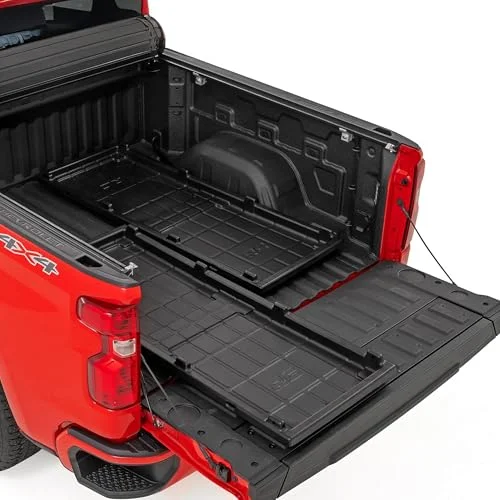
The Rough Country tray is a low-profile, no-drill organizer made for 5.7+ ft beds. It maximizes space for tools, golf bags, or weekend gear while keeping cargo secure using adjustable straps. The 4-inch height is designed to tuck under most bed covers, and the UV-protected polyethylene is meant to handle weather and sun over time. This is a fit for people who want straightforward organization without permanent changes.
Best for: Truck owners with longer beds who need basic, weather-resistant storage for moderate loads.
Not ideal for: Buyers looking for heavy-duty capacity or full-width coverage for bulky items.
Decision cue: I would shortlist this if you want a no-drill, low-profile tray for tools or sports gear and you don’t need total bed coverage.
Check Amazon
The Thule TracRac Base Rail is the foundation piece for a sliding rack system on full-size long beds. It’s built to let the rack move smoothly and adjust as needed, with installation that avoids drilling into the truck, but the overhead rack components must be purchased separately. It’s best paired with Thule’s SR or Xsporter Pro racks for hauling bigger items like ladders, kayaks, or lumber. If you like modular setups and brand compatibility, this is the type of base you build around.
Best for: Truck owners who want a customizable, high-end sliding rack system for oversized cargo.
Not ideal for: Buyers who want a standalone solution or who don’t want to source additional components.
Decision cue: Shortlist this if you plan to add an overhead rack and want a premium, no-drill base for adjustable cargo positioning.
Check Amazon
The 65-inch VEVOR tray is a heavy-duty aluminum/steel storage organizer with a stated 1000-lb capacity and two slide-out positions. It’s designed for easier access to deep items and includes six movable rings so you can secure cargo like toolboxes, compressors, or other awkward loads. This type of low-profile design is meant to work under modified racks or tops, but it does require drilling. I’d treat it as a more “serious work/overland” tray than a casual weekend organizer.
Best for: Professionals or adventurers needing durable, high-capacity storage for heavy or awkward loads.
Not ideal for: Buyers who can’t drill into their truck bed or those who need a no-modification solution.
Decision cue: Shortlist this if you haul heavy tools or equipment and don’t mind drilling for a robust, weather-resistant tray.
Check Amazon
The Thule TracRac Super Duty SR is a sliding overhead rack system with aerodynamic wind deflectors and Arc cleats for additional tie-down points. It’s adjustable to bed length and can be removed to keep the bed clear when you need full access. The target is stable, secure transport of larger items like kayaks, ladders, and lumber, while keeping noise down. This is the premium lane option when you want a sliding rack that feels engineered for frequent hauling.
Best for: Truck owners who regularly haul oversized items and want a quieter, adjustable rack system.
Not ideal for: Buyers needing a low-profile or budget-friendly setup for smaller, lighter cargo.
Decision cue: Shortlist this if you prioritize quiet operation and secure tie-downs for frequent heavy loads like lumber or kayaks.
Check Amazon
The Maxzina tray is a removable, no-drill organizer for 5.2+ ft beds, made to be compatible with select popular truck models. It uses bed hooks/installation points designed for a simpler setup and includes tie-down straps to help keep cargo in place. The UV-protected HDPE is intended to resist fading from sun exposure, which matters if you park outdoors or use the truck year-round. This is a practical pick for organizing gear without permanent modifications.
Best for: Weekend campers or DIYers who want a no-drill, removable tray for moderate loads like camping gear.
Not ideal for: Buyers who need heavy-duty capacity or full-width trays for very bulky items.
Decision cue: Shortlist this if you want a lightweight tray for occasional use and you don’t need full bed coverage.
Check Amazon
The Heavy-Duty Wheel-Rolling tray is a full-width organizer (62×46 inches) designed to slide using 12 bearing wheels for easier access under load. It includes built-in hooks/straps, an anti-slip surface, and drainage channels, and it’s built for outdoor work and daily cargo. The height is 5 inches, so it may not fit under low-profile tonneau covers, but it does maximize usable space for bulky items like coolers, tools, or groceries. If you want an accessible, full-width layout without drilling, this style is the focus.
Best for: Truck owners who need a full-width, heavy-duty tray for bulky items like coolers or tools.
Not ideal for: Buyers with low-profile tonneau covers or anyone who can’t accommodate the tray’s height.
Decision cue: I would shortlist this if you want a full-width, no-drill tray with built-in securing features for heavy or awkward loads.
Check Amazon
The 78-inch VEVOR tray is the largest tray in the set, with a stated 1000-lb capacity and an extended reach designed to cover about 80% of the bed length. It’s constructed from aluminum and steel and includes six movable rings for tying down cargo. It’s meant to fit under modified racks, but installation requires drilling, so plan for that upfront. If you haul heavy, pro-grade gear or you just need maximum storage length, this is the direction it points toward.
Best for: Professionals or overlanders who need the largest possible tray for heavy or bulky loads.
Not ideal for: Buyers who can’t drill into their truck bed or want a no-modification solution.
Decision cue: Shortlist this if you need maximum durability and the most storage space, and you’re comfortable with drilling.
Check Amazon
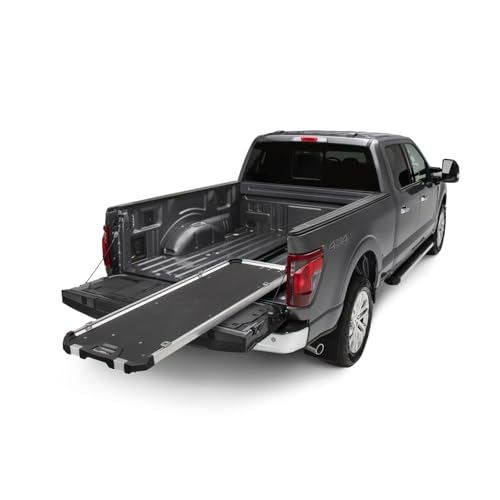
The CargoGlide tray is a half-bed-width organizer with a stated 600-lb capacity and a design that extends about 75% for easier access to deep cargo. It’s compatible with DECKED drawer systems and uses roller bearings for smoother operation, with an auto-stop handle for safety. It’s made from American steel and aluminum, which is aimed at durability while staying organized. This is best when you want a more premium, modular approach to storing heavier items like toolboxes or coolers.
Best for: Truck owners who need a modular, heavy-duty tray for deep cargo access and compatibility with drawer systems.
Not ideal for: Buyers who want full-width coverage or a no-drill solution.
Decision cue: Shortlist this if you want a premium modular tray for deep cargo access and you plan to pair it with a drawer system.
Check Amazon
The 58-inch VEVOR tray is a compact sliding organizer with a stated 1000-lb capacity and two slide-out positions, plus six movable rings for securing cargo. It’s built from aluminum and steel, designed for durability in tighter spaces while still offering heavy-duty storage. As with many higher-capacity trays, installation requires drilling, and it’s intended to keep a low profile while working with modified racks. If your truck bed is shorter or your setup is space-limited, this size approach is likely the point.
Best for: Truck owners with shorter beds who need a durable, compact tray for heavy loads.
Not ideal for: Buyers who need full-width coverage or a no-modification solution.
Decision cue: Shortlist this if you have a shorter bed and want durable storage for heavy tools or gear.
Check Amazon
The Trumgeta Overland Bed Rack is an adjustable, no-drill rack for full-size pickups built to work with T-slot tonneau covers. It supports a stated 1300 lbs static load and includes side bars that help mount recovery gear or camp items. Its height adjusts from about 18.8 to 25 inches, so it can fit different overland needs without sacrificing too much day-to-day usability. If your priority is rooftop gear (like tents) and you want bed access to stay practical, this is the direction it’s built for, even though it isn’t a sliding tray.
Best for: Overland adventurers or daily drivers who need a versatile, no-drill rack for rooftop gear.
Not ideal for: Buyers looking specifically for a sliding tray to access deep bed cargo.
Decision cue: Shortlist this if you want a no-drill, adjustable rack for overland gear and you don’t need a sliding tray.
Check Amazon
Reader questions answered
Which sliding rack works best with a tonneau cover?
Tonneau cover compatibility usually comes down to the rack/tray height and how it installs. Lower-profile options like the Rough Country or Maxzina are more likely to clear common tonneau setups, while taller systems like the Heavy-Duty Wheel-Rolling tray can interfere. The Trumgeta rack is built for T-slot tonneau covers, which is why it’s singled out for full bed access without constant removal. I would still verify clearance and whether the system requires drilling before buying.
Which system is easiest to install?
Installation ease depends heavily on the design. No-drill systems like the Maxzina or Heavy-Duty Wheel-Rolling tray tend to use bed hooks and straps, which usually makes them faster to install and remove. Drill-required setups like VEVOR trays and Thule base rails take more time and may complicate warranties. The Trumgeta rack is no-drill, but it still requires careful adjustment to land correctly. Check for pre-drilled holes, existing mounting points, and bed liner compatibility before ordering.
Which sliding rack supports the heaviest loads?
Weight capacity is what matters when you’re hauling tools, equipment, or overland gear. The VEVOR trays and Trumgeta rack lead in stated capacity (in the 1000-1300 lb neighborhood), but dynamic loads, bumpy roads and sudden stops, reduce practical margin. That’s why tie-downs matter. Also, I’d confirm whether the capacity is stated as static vs. dynamic, because those labels change how safe it is to push limits.
Which system is best for overland or camping use?
Overland and camping setups need versatility, durability, and compatibility with rooftop gear or recovery accessories. The Trumgeta rack stands out with adjustable height, side bars for mounting gear, and compatibility with tonneau covers. The VEVOR trays focus more on heavy-duty storage for bulky items, but they require drilling. For modular organization, CargoGlide pairs well with drawer systems so you can access deep cargo without constantly unpacking.
Which sliding rack is quietest during transport?
Noise during transport can get annoying on long drives. The Thule TracRac Super Duty SR includes integrated wind deflectors designed to reduce aerodynamic noise, which is why it tends to land at the quiet end of the list. The CargoGlide tray’s roller bearings also help limit rattling, while aluminum/steel tray designs can transmit vibration if cargo isn’t secured tightly. If possible, I’d sanity-check noise behavior with your typical load setup before relying on it for frequent road trips.
What the comparison teaches
No-drill systems sacrifice capacity or durability for convenience
No-drill trays like the Maxzina or Heavy-Duty Wheel-Rolling tray are typically easier to install, but they often come with lower weight limits or less substantial reinforcement. Drill-required systems like the VEVOR trays can support heavier loads and tend to last longer, but they may void warranties or create extra work to install correctly and protect the bed. You’re choosing convenience vs. durability here.
Low-profile trays fit under covers but limit cargo height
Trays under about 5 inches tall, like the Rough Country or Maxzina, usually clear many tonneau covers, but they limit cargo height. Taller systems like the Heavy-Duty Wheel-Rolling tray give more vertical room but can interfere with low-profile covers. I would measure your cover clearance before locking in a choice.
Sliding racks trade bed space for accessibility
Sliding trays improve access, but when they’re retracted they can reduce usable bed space. Overhead racks like the Thule TracRac Super Duty SR keep bed space more open, though you’ll likely need extra components to use the system fully. The right balance depends on whether you value access or open space more.
Heavy-duty systems add weight and complexity
High-capacity trays or racks, like the VEVOR or Trumgeta, add weight to the truck, which can affect fuel economy. They also take more effort to install and may require additional accessories. If you want simplicity, lightweight options like the Maxzina usually give up some capacity.
Before you buy
- Measure your truck bed’s width between wheel arches and length from bulkhead to tailgate to confirm fit.
- Check whether your tonneau cover’s height accommodates the tray or rack you’re considering.
- Verify the system’s weight capacity matches your cargo needs, including dynamic loads for rough terrain.
- Confirm whether the installation requires drilling, and check your truck’s warranty for voided terms.
- Read recent reviews for feedback on noise, durability, or compatibility with specific truck models.
- Check if the system includes all necessary hardware or if additional components are required.
- Test the sliding mechanism with a full load to ensure smooth operation and secure tie-downs.
Final takeaway
The right truck bed sliding rack comes down to your cargo, your truck setup (especially tonneau cover clearance), and what you’re prioritizing. If you’re a contractor or overlander hauling heavy tools and gear, high-capacity systems like the VEVOR trays or Trumgeta rack are worth the extra installation complexity. If you’re more focused on quick organization and fewer modifications, no-drill options like the Maxzina or Heavy-Duty Wheel-Rolling tray make more sense, just expect some durability/capacity tradeoffs. Whatever you pick, measure your bed, verify weight limits, and test the sliding/access behavior with the same style of cargo you’ll carry day to day.
FAQ
Can I install a sliding rack myself?
Most no-drill systems, like the Maxzina or Heavy-Duty Wheel-Rolling tray, are designed to be installable in under 30 minutes with basic tools. Drill-required systems, like the VEVOR trays, usually take longer and may benefit from professional help to avoid damaging the bed or affecting warranties. Always follow the manufacturer’s instructions and check bed liner compatibility.
Will a sliding rack damage my truck bed?
No-drill systems generally use bed hooks or straps, so they’re less likely to damage the truck during installation. Drill-required systems, like the VEVOR trays, can potentially affect warranties or create rust points if the install isn’t sealed properly. Some racks, like the Thule TracRac, aim to avoid drilling by using clamps or existing holes. I would still check for pre-drilled holes and use rust-proofing steps if drilling is required.
Can I still use my truck bed for large items if I install a sliding rack?
Sliding trays give better access to deep cargo, but they can reduce usable bed space when retracted. Overhead racks like the Thule TracRac Super Duty SR keep more bed space available, but they can limit height clearance. The Trumgeta rack doesn’t slide, but it’s made to keep bed access practical. Before buying, measure your largest cargo and compare it to the system’s dimensions.
Are sliding racks compatible with bed liners?
Compatibility depends on liner thickness and how the rack/tray installs. Spray-on liners can interfere with drilling, while drop-in liners can sometimes be trimmed. No-drill systems like the Maxzina or Heavy-Duty Wheel-Rolling tray are more likely to work with liners. Always check the manufacturer’s guidelines and do a test fit.
How do I secure cargo on a sliding rack?
Most systems include tie-down points, straps, or movable rings to secure cargo. The VEVOR trays and Heavy-Duty Wheel-Rolling tray offer built-in hooks or nets, while the Thule TracRac Super Duty SR uses Arc cleats. For overland gear, the Trumgeta rack’s side bars provide extra mounting points. Use rated straps or bungees and confirm cargo stability before driving.