

Understanding antonyms is crucial for expanding vocabulary and enhancing precision in communication. While “fragile” denotes delicacy and susceptibility to damage, its opposites convey strength, durability, and resilience.
This article delves into the various antonyms of “fragile,” exploring their nuances and providing practical examples to improve your command of the English language. Whether you are an English language learner, a student, or simply someone looking to broaden your vocabulary, this comprehensive guide will equip you with the knowledge to use these words effectively.
Table of Contents
- Introduction
- Definition of Fragile
- Antonyms of Fragile
- Robust
- Resilient
- Durable
- Strong
- Sturdy
- Tough
- Usage Rules and Guidelines
- Examples in Sentences
- Common Mistakes
- Practice Exercises
- Advanced Topics
- Frequently Asked Questions
- Conclusion
Introduction
Recommended Products

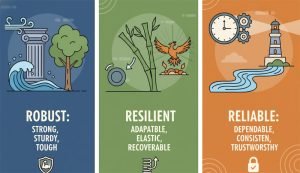
In the realm of language, antonyms play a vital role in conveying contrasting ideas and adding depth to our expressions. The word “fragile” is often used to describe something easily broken or damaged.
Understanding its antonyms allows us to express the opposite qualities of strength, durability, and resistance. When considering a fragile antonym, it is important to understand that different opposites highlight specific qualities such as strength, durability, or resilience. For instance, the antonym of fragile may vary depending on whether you are describing a physical object, a relationship, or a system. Knowing what is an antonym for fragile allows you to select the most precise word for your context, ensuring clarity and effectiveness in communication.
This article is designed to provide a thorough exploration of the various words that stand in opposition to “fragile,” offering definitions, examples, and practical guidance on their usage.
By mastering these antonyms, you’ll be able to describe objects, materials, and even abstract concepts with greater accuracy and impact. This knowledge is particularly beneficial for writers, speakers, and anyone who seeks to improve their communication skills.
We will explore words like “robust,” “resilient,” “durable,” “strong,” “sturdy,” and “tough,” examining their specific meanings and contexts.
Definition of Fragile
The word fragile is an adjective that describes something easily broken, damaged, or destroyed. It implies a lack of resistance to external forces or stresses. Fragility can refer to both physical objects and abstract concepts, such as relationships or ecosystems. Understanding the definition of “fragile” is essential for grasping the meaning of its antonyms.
The classification of “fragile” is primarily as an adjective. Its function in a sentence is to modify a noun, providing information about its vulnerability.
For example, in the sentence “The vase is fragile,” the word “fragile” modifies the noun “vase,” indicating that the vase is easily broken. The context in which “fragile” is used often involves situations where care and caution are necessary to prevent damage.
Contexts of Fragility
- Physical Objects: Glassware, delicate fabrics, antiques.
- Relationships: A fragile friendship, a fragile peace.
- Ecosystems: A fragile environment, a fragile ecosystem.
- Systems: A fragile economy, a fragile political system.
Antonyms for fragile extend beyond physical descriptions and can also apply to abstract concepts. For example, a fragile peace can be contrasted with a strong or resilient peace, highlighting the opposite qualities of stability and endurance. Similarly, fragile materials are replaced by sturdy or durable alternatives in everyday use, clearly illustrating the fragile opposite in practical contexts.
Antonyms of Fragile
The antonyms of “fragile” represent a spectrum of qualities that stand in direct contrast to vulnerability and susceptibility to damage. These words describe objects, materials, or concepts that possess strength, durability, and resistance to external forces.
We will examine several key antonyms, including “robust,” “resilient,” “durable,” “strong,” “sturdy,” and “tough,” exploring their specific meanings and nuances.
Robust
Robust implies strength and health; it suggests the ability to withstand adverse conditions or rough handling. A robust object or system is not easily damaged or weakened. The term often conveys a sense of vigor and resilience.
The word robust is often used to describe well-built objects, healthy individuals, or systems capable of handling stress. For example, “a robust economy” can withstand financial shocks.
It can also refer to a strong and rich flavor, like “a robust coffee.”
Resilient
Resilient describes the ability to recover quickly from difficulties or to withstand stress without lasting negative effects. A resilient object or person bounces back from adversity, maintaining its integrity and functionality. Resilience is about adaptability and the capacity to overcome challenges.
Resilience is a key characteristic in both physical and psychological contexts. A resilient material can deform under stress and return to its original shape.
A resilient person can cope with trauma and adversity, emerging stronger. For example, “a resilient spirit” is one that does not break easily.
Durable
Durable means able to withstand wear, pressure, or damage; long-lasting. A durable object is built to endure and maintain its condition over time, even with frequent use or exposure to harsh conditions. Durability is a key consideration in manufacturing and construction.
Durability is a practical quality that emphasizes longevity and resistance to wear and tear. Durable goods are designed to last for a significant period.
For example, “durable clothing” is made from materials that can withstand repeated washing and wearing. “Durable construction” uses materials that resist weathering and decay.
Strong
Strong denotes the ability to exert great force or withstand great pressure. It suggests power and resilience. A strong object or person possesses the capacity to resist breaking, bending, or being overcome by external forces.
Strength is a fundamental quality that can apply to both physical and abstract entities. A strong building can withstand earthquakes.
A strong argument is logically sound and persuasive. For example, “a strong economy” is one that is growing and stable.
Sturdy
Sturdy implies being strongly built or made; robust. It suggests a solid and reliable construction that can withstand pressure and wear. A sturdy object is not easily damaged or broken.
Sturdiness is often associated with physical objects that are designed to be reliable and long-lasting. A sturdy chair can support a heavy weight.
A sturdy pair of boots can withstand rough terrain. For example, “a sturdy bridge” is one that is well-built and can handle heavy traffic.
Tough
Tough means strong enough to withstand adverse conditions or rough handling. It suggests resilience and the ability to endure hardship. A tough object or person is not easily broken, damaged, or defeated.
Toughness is often associated with the ability to withstand difficult conditions. A tough material can resist wear and tear.
A tough person can cope with adversity. For example, “tough leather” is resistant to scratches and abrasions.
“A tough competitor” does not give up easily.
Usage Rules and Guidelines
Understanding the nuances of each antonym is essential for using them correctly. While they all convey the opposite of “fragile,” they each have specific connotations and contexts in which they are most appropriate.
Here are some guidelines to help you choose the right word:
- Robust: Use when emphasizing strength, health, and the ability to withstand adverse conditions.
- Resilient: Use when highlighting the ability to recover quickly from difficulties or to withstand stress.
- Durable: Use when emphasizing the ability to withstand wear, pressure, or damage over time.
- Strong: Use when denoting the ability to exert great force or withstand great pressure.
- Sturdy: Use when implying a solid and reliable construction that can withstand pressure and wear.
- Tough: Use when suggesting resilience and the ability to endure hardship.
Consider the specific qualities you want to emphasize when choosing an antonym for “fragile.” Are you focusing on strength, resilience, longevity, or the ability to withstand difficult conditions? The answer to this question will guide you to the most appropriate word.
Examples in Sentences
To further illustrate the usage of these antonyms, here are several examples in sentences, categorized by the specific word:
Robust Examples
The following table provides examples of how “robust” can be used in various contexts. Each example demonstrates the word’s meaning of strength, health, and the ability to withstand adverse conditions.
| Sentence | Explanation |
|---|---|
| The company has a robust financial system that can handle market fluctuations. | Indicates a strong and stable financial system. |
| The athlete’s robust physique allowed him to excel in the competition. | Highlights the athlete’s physical strength and health. |
| The robust flavor of the coffee beans made the morning brew exceptionally satisfying. | Describes a strong and rich flavor. |
| The bridge was built with a robust design to withstand heavy traffic and extreme weather. | Emphasizes the strength and durability of the bridge. |
| The software is robust enough to handle complex data processing tasks. | Indicates the software’s ability to manage demanding tasks. |
| He has a robust immune system, rarely getting sick despite being exposed to many germs. | Describes a strong and healthy immune system. |
| The robust economy of the country attracted foreign investment. | Highlights the strength and stability of the economy. |
| The robust housing market continued to grow despite concerns about rising interest rates. | Indicates a strong and resilient housing market. |
| The team built a robust defense to protect their lead in the final minutes of the game. | Emphasizes the strength and effectiveness of the defense. |
| The company developed a robust marketing strategy to increase brand awareness. | Indicates a strong and effective marketing strategy. |
| The robust training program prepared the soldiers for the challenges of combat. | Highlights the strength and effectiveness of the training program. |
| The plant’s robust root system allowed it to thrive in the arid climate. | Indicates the plant’s ability to survive in harsh conditions. |
| The robust debate on climate change brought new perspectives to the forefront. | Highlights the intensity and depth of the debate. |
| The robust support from the community helped the school overcome its financial difficulties. | Emphasizes the strength and effectiveness of the community support. |
| The robust infrastructure of the city supported its rapid economic growth. | Indicates the strength and capacity of the city’s infrastructure. |
| The robust construction of the building ensured it could withstand earthquakes. | Highlights the building’s ability to resist seismic activity. |
| The robust research program led to significant breakthroughs in medical science. | Indicates the strength and effectiveness of the research program. |
| The robust network of volunteers provided essential support during the crisis. | Emphasizes the strength and reliability of the volunteer network. |
| The robust dialogue between the two countries helped to resolve the conflict. | Highlights the intensity and effectiveness of the dialogue. |
| The robust data analysis revealed important trends in consumer behavior. | Indicates the depth and accuracy of the data analysis. |
| The robust framework of the legal system ensured fair and just outcomes. | Emphasizes the strength and integrity of the legal system. |
| The robust engine of the car provided exceptional power and performance. | Highlights the engine’s strength and reliability. |
| The robust leadership of the CEO guided the company through a period of uncertainty. | Indicates the strength and effectiveness of the CEO’s leadership. |
| The robust collaboration between the universities led to groundbreaking discoveries. | Emphasizes the strength and productivity of the collaboration. |
Resilient Examples
The following table provides examples of how “resilient” can be used in various contexts. Each example demonstrates the word’s meaning of being able to recover quickly from difficulties or to withstand stress without lasting negative effects.
| Sentence | Explanation |
|---|---|
| The resilient community rebuilt their homes after the devastating hurricane. | Highlights the community’s ability to recover from a disaster. |
| The resilient plant survived the drought and bloomed again in the spring. | Indicates the plant’s ability to withstand harsh conditions. |
| She is a resilient person who always bounces back from setbacks. | Emphasizes her ability to overcome challenges. |
| The resilient economy recovered quickly after the recession. | Indicates the economy’s ability to rebound from a downturn. |
| The resilient material can withstand extreme temperatures without damage. | Highlights the material’s ability to endure harsh conditions. |
| The resilient spirit of the refugees inspired hope in the face of adversity. | Describes the refugees’ ability to maintain hope despite hardship. |
| The resilient ecosystem adapted to the changing climate conditions. | Indicates the ecosystem’s ability to adjust to environmental changes. |
| The resilient software continued to function despite the network outage. | Highlights the software’s ability to operate even during disruptions. |
| The resilient infrastructure of the city allowed it to recover quickly from the earthquake. | Emphasizes the infrastructure’s ability to withstand and recover from a natural disaster. |
| The resilient workforce adapted to the new technology with ease. | Indicates the workforce’s ability to adjust to changes in the workplace. |
| The resilient business model allowed the company to thrive in a competitive market. | Highlights the business model’s ability to adapt and succeed. |
| The resilient immune system fought off the infection without the need for medication. | Indicates the immune system’s ability to defend against illness. |
| The resilient partnership weathered the storm of disagreements and emerged stronger. | Emphasizes the partnership’s ability to overcome conflicts. |
| The resilient leadership guided the organization through a period of significant change. | Highlights the leadership’s ability to navigate challenges. |
| The resilient communication system ensured connectivity even during emergencies. | Indicates the communication system’s reliability in critical situations. |
| The resilient learning environment fostered growth and development among the students. | Emphasizes the environment’s ability to support learning. |
| The resilient social fabric held the community together during times of crisis. | Indicates the community’s ability to maintain cohesion. |
| The resilient governance structures ensured stability and accountability. | Highlights the structures’ ability to maintain order and transparency. |
| The resilient economy adapted to global market fluctuations. | Indicates the economy’s ability to adjust to changes in the international market. |
| The resilient agricultural practices helped farmers cope with climate variability. | Emphasizes the practices’ ability to adapt to changing weather patterns. |
| The resilient cybersecurity measures protected the data from cyberattacks. | Indicates the measures’ effectiveness in preventing security breaches. |
| The resilient healthcare system responded effectively to the pandemic. | Highlights the system’s ability to manage a public health crisis. |
| The resilient transportation network continued to operate despite the severe weather conditions. | Indicates the network’s ability to function even in adverse conditions. |
| The resilient educational programs helped students overcome learning challenges. | Emphasizes the programs’ ability to support student success. |
Durable Examples
The following table provides examples of how “durable” can be used in various contexts. Each example demonstrates the word’s meaning of being able to withstand wear, pressure, or damage; long-lasting.
| Sentence | Explanation |
|---|---|
| The durable furniture lasted for generations in the family. | Highlights the furniture’s longevity. |
| The durable material is perfect for outdoor use, as it can withstand harsh weather conditions. | Indicates the material’s ability to endure exposure to the elements. |
| The durable construction of the building ensured it would last for many years. | Emphasizes the building’s long-lasting quality. |
| The durable tires were designed to withstand rough terrain and heavy loads. | Highlights the tires’ ability to endure demanding conditions. |
| The durable coating protected the metal from rust and corrosion. | Indicates the coating’s ability to prevent damage. |
| The durable plastic was used to make toys that could withstand rough handling. | Emphasizes the plastic’s ability to endure rough play. |
| The durable fabric was chosen for the upholstery because it could resist wear and tear. | Indicates the fabric’s ability to withstand frequent use. |
| The durable finish protected the wood from scratches and stains. | Highlights the finish’s ability to prevent damage. |
| The durable design of the tool ensured it would last for many years of use. | Emphasizes the tool’s long-lasting quality. |
| The durable binding of the book ensured it would withstand frequent reading. | Indicates the binding’s ability to endure handling. |
| The durable battery provided long-lasting power for the device. | Highlights the battery’s ability to provide extended use. |
| The durable paint was used to create a mural that would withstand the elements. | Indicates the paint’s ability to endure exposure to the weather. |
| The durable components of the machine ensured it would operate reliably for many years. | Emphasizes the machine’s long-lasting performance. |
| The durable infrastructure of the city supported its long-term growth. | Highlights the infrastructure’s ability to sustain development. |
| The durable partnerships between the companies fostered long-term collaboration. | Indicates the partnerships’ ability to endure over time. |
| The durable foundation of the house ensured its stability for decades to come. | Emphasizes the foundation’s long-lasting strength. |
| The durable relationships within the community provided long-term support. | Highlights the relationships’ ability to endure and provide assistance. |
| The durable economic policies promoted sustainable growth over the long term. | Indicates the policies’ ability to foster lasting economic development. |
| The durable environmental protections ensured the preservation of natural resources for future generations. | Emphasizes the protections’ ability to safeguard resources over time. |
| The durable ethical principles guided the organization’s long-term decision-making. | Highlights the principles’ ability to inform sustained ethical behavior. |
| The durable cybersecurity measures protected the data from long-term threats. | Indicates the measures’ ability to prevent breaches over an extended period. |
| The durable healthcare infrastructure supported long-term public health. | Emphasizes the infrastructure’s ability to provide sustained healthcare services. |
| The durable educational programs fostered lifelong learning among the students. | Highlights the programs’ ability to promote continued education. |
| The durable transportation network facilitated long-term economic development. | Indicates the network’s ability to support sustained economic growth. |
Common Mistakes
One common mistake is using these antonyms interchangeably without considering their specific nuances. For example, using “strong” when “durable” is more appropriate, or vice versa.
Another common error is misusing the words in contexts where they don’t quite fit. For example, describing a relationship as “durable” when “resilient” is a better fit.
To avoid these mistakes, always consider the specific qualities you want to emphasize. Think about whether you are highlighting strength, resilience, longevity, or the ability to withstand difficult conditions.
By paying attention to these nuances, you can choose the most appropriate word and avoid common errors.
Examples of Correct vs. Incorrect Usage
| Incorrect | Correct | Explanation |
|---|---|---|
| The fragile building withstood the earthquake. | The sturdy building withstood the earthquake. | “Sturdy” implies a strong construction that can resist damage. |
| The durable person recovered quickly from the illness. | The resilient person recovered quickly from the illness. | “Resilient” highlights the ability to bounce back from adversity. |
| The strong vase broke easily. | The fragile vase broke easily. | “Fragile” indicates susceptibility to damage. |
| The resilient table lasted for generations. | The durable table lasted for generations. | “Durable” emphasizes longevity and resistance to wear. |
| The robust relationship crumbled under pressure. | The fragile relationship crumbled under pressure. | “Fragile” indicates vulnerability to stress. |
Practice Exercises
Test your understanding of the antonyms of “fragile” with these practice exercises. Choose the best antonym from the list provided to complete each sentence.
Exercise 1: Fill in the Blanks
Choose the best word from the options provided to complete each sentence. Options: (robust, resilient, durable, strong, sturdy, tough)
| Question | Answer |
|---|---|
| 1. The ______ bridge could withstand heavy traffic and strong winds. | sturdy |
| 2. The ______ economy was able to recover quickly after the recession. | resilient |
| 3. The ______ boots were designed for hiking in rough terrain. | tough |
| 4. The ______ furniture was made to last for generations. | durable |
| 5. The ______ athlete had the physical strength to win the competition. | strong |
| 6. The ______ immune system helped him fight off the illness. | robust |
| 7. The ______ container protected the contents from damage during shipping. | sturdy |
| 8. Despite the challenges, she remained ______, never giving up hope. | resilient |
| 9. The ______ construction of the building ensured its stability. | durable |
| 10. The ______ team worked together to overcome the obstacles. | strong |
Exercise 2: Sentence Completion
Complete each sentence using an appropriate antonym of “fragile.”
| Question | Answer |
|---|---|
| 1. Unlike the fragile glass ornaments, these decorations are ______. | sturdy |
| 2. The ______ economy demonstrated its ability to weather financial crises. | resilient |
| 3. This ______ backpack is designed to withstand the rigors of outdoor adventures. | tough |
| 4. The ______ nature of the material ensures that the product will last for many years. | durable |
| 5. The ______ foundation of the building provided stability even during the earthquake. | strong |
| 6. His ______ health allowed him to recover quickly from the surgery. | robust |
| 7. The ______ packaging protected the delicate items from damage during transit. | sturdy |
| 8. The ______ spirit of the community helped them rebuild after the disaster. | resilient |
| 9. The ______ leather of the boots made them suitable for hiking in rough terrain. | durable |
| 10. The ______ support system provided the strength needed to overcome the challenges. | strong |
Advanced Topics
For advanced learners, exploring the etymology and historical usage of these words can provide a deeper understanding of their nuances. Additionally, examining how these concepts are used metaphorically in literature and philosophy can further enrich your vocabulary and comprehension skills.
For example, consider the use of “resilience” in discussions of psychological well-being or the application of “robust” in describing complex systems.
Furthermore, exploring the use of these words in different dialects of English can reveal subtle variations in meaning and usage. This can be particularly valuable for those interested in comparative linguistics or sociolinguistics.
Understanding these advanced topics can elevate your command of the English language to a higher level of sophistication.
Frequently Asked Questions
What is the difference between “robust” and “strong”?
While both words imply strength, “robust” often suggests health and the ability to withstand adverse conditions, while “strong” simply denotes the ability to exert great force or withstand great pressure. A robust economy, for example, is not only strong but also resilient and capable of handling shocks.
When should I use “resilient” instead of “durable”?
“Resilient” is used when highlighting the ability to recover quickly from difficulties or stress, while “durable” emphasizes the ability to withstand wear, pressure, or damage over time. A resilient material can return to its original shape after being deformed, while a durable material can withstand repeated use without breaking down.
Can “tough” be used to describe abstract concepts?
Yes, “tough” can be used to describe abstract concepts, such as “a tough decision” or “a tough situation.” In these cases, “tough” suggests that the decision or situation is difficult to deal with or endure.
Is “sturdy” only used to describe physical objects?
While “sturdy” is most commonly used to describe physical objects, it can also be used metaphorically to describe abstract concepts, such as “a sturdy foundation of knowledge.” In this case, “sturdy” suggests a solid and reliable base.
How do I choose the right antonym for “fragile” in a sentence?
Consider the specific qualities you want to emphasize. Are you focusing on strength, resilience, longevity, or the ability to withstand difficult conditions? The answer to this question will guide you to the most appropriate word.
Are there any negative connotations associated with these antonyms?
Generally, these antonyms have positive connotations, as they describe desirable qualities such as strength, durability, and resilience. However, in some contexts, “tough” can imply a lack of sensitivity or compassion.
Can these words be used to describe people’s personalities?
Yes, many of these words can be used to describe people’s personalities. For example, someone might be described as resilient if they are able to bounce back from adversity, or as strong if they have a determined and unwavering character.
How can I improve my vocabulary of antonyms?
Read widely, paying attention to the words that are used to describe contrasting qualities. Use a thesaurus to explore synonyms and antonyms of words you already know. Practice using new words in sentences to solidify your understanding.
Conclusion
Mastering the antonyms of “fragile” is a valuable step towards enhancing your vocabulary and improving your communication skills. Words like “robust,” “resilient,” “durable,” “strong,” “sturdy,” and “tough” offer a range of options for expressing the opposite qualities of vulnerability and susceptibility to damage.
By understanding their nuances and practicing their usage, you can describe objects, materials, and concepts with greater precision and impact.
Remember to consider the specific qualities you want to emphasize when choosing an antonym for “fragile.” Are you focusing on strength, resilience, longevity, or the ability to withstand difficult conditions? By paying attention to these nuances, you can choose the most appropriate word and avoid common errors.
Continued practice and exposure to diverse texts will further solidify your understanding and expand your vocabulary.